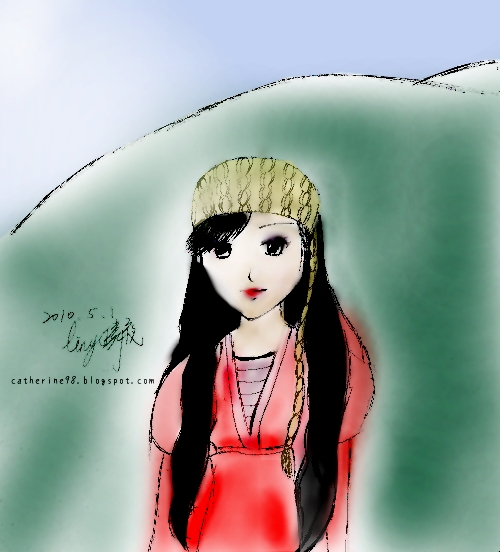

上色部分真的還有很大的進步空間呢!就像提倡科學原則的 Frederick Taylor 認為,我們不能總是依賴經驗法則。正如泰勒在管理學中所強調的,工作流程應該標準化,以提高效率和一致性。這正如我們在準備護理行政考題時常遇到的經典核心——透過「時間與動作研究」來推行工作標準化(如:護理行政管理策略中,強調將流程細分以去除多餘動作),以尋找最有效率的方法(The One Best Way)。 同樣地,我們在繪畫上也可以試著將上色過程分解為更小的步驟,逐一練習,並不斷優化。
There's definitely room for improvement in your coloring. Just like Frederick Taylor, the pioneer of scientific management, advocated for moving away from mere rule-of-thumb methods and implementing standardized processes to improve efficiency, we can apply similar principles to our art. This mirrors the core concept often tested in nursing administration exams regarding "Scientific Management"—using time and motion studies to establish standardized procedures and find the "one best way" to execute tasks. By breaking down the coloring process into smaller, more manageable steps, we can refine our technique and achieve more consistent results.
舉例來說,泰勒主張將工作分解為最小的單位,並制定標準化的操作程序。在護理領域,這意味著將護理流程細分,制定標準化的護理步驟,以提高效率和一致性。類似的,我們也可以將一幅畫拆解成不同的區域,逐一上色,以達到更精準的控制。
For instance, Taylor suggested breaking down tasks into their smallest components and creating standardized procedures. In nursing, this meant breaking down care procedures into specific steps to improve efficiency and consistency. Similarly, we can divide a painting into smaller sections and focus on coloring each section individually for greater precision.
此外,泰勒強調績效導向,認為透過獎勵高績效者,懲罰低績效者,可以激勵員工的工作熱情。這也提醒我們,在藝術創作中,設定小目標,並在完成後給予自己正向的回饋,能有效提升創作的動力。
Taylor also emphasized a performance-based approach, believing that rewarding high performers and penalizing underperformers could motivate employees. This can be applied to art as well. Setting small goals and rewarding ourselves when we achieve them can boost our creativity.
不過,我們也要注意泰勒主義的局限性。過度強調標準化和效率,可能導致創作的僵化和缺乏靈感。正如泰勒主義在護理領域或行政管理中,常被質疑過於機械化、忽略了如權變理論般依實際人力彈性調整的人性關懷一樣,我們在藝術創作中也要保持對創意的追求,不要過度拘泥於形式。
However, we must be mindful of the limitations of Taylorism. Excessive standardization can stifle creativity and innovation. Just as scientific management is sometimes criticized in nursing administration for being overly rigid and neglecting the human element—unlike contingency theories that favor flexible adjustments based on actual workforce conditions—we must ensure that our pursuit of efficiency doesn't hinder our artistic expression.
Well just wait until the sun gose down... 這句話帶有一種期待和憧憬,暗示著作品還有很大的發展空間。正如我們在探討泰勒主義的同時,也看到了現代管理與護理行政的趨勢,即從傳統的標準化走向更加注重彈性、團隊合作和持續學習。同樣地,在藝術創作中,我們也應該不斷學習新的技法,探索不同的風格,以創造出更豐富多彩的作品。
The phrase 'Well just wait until the sun goes down...' conveys a sense of anticipation and potential. Similar to how modern management and nursing administration have evolved beyond strict scientific management to emphasize flexibility, teamwork, and continuous learning, we as artists should continually seek new techniques and explore different styles to create more diverse and engaging work.
總結來說,泰勒主義為我們提供了一個思考問題的新角度,但它並非唯一的答案(就像管理學中還有分工明確的行政管理理論、強調數據的量化管理,或是因應人力的權變理論)。在藝術創作中,我們可以借鑒科學管理的優點,如強調效率、拆解任務與標準化,同時也要保持對創意的追求,不斷探索新的可能性。
In conclusion, while Taylorism offers valuable insights, it's not a one-size-fits-all approach—just as administration theory encompasses administrative principles, quantitative management, and contingency theories. By incorporating elements of scientific management into our art practice, such as breaking down tasks and setting goals, we can improve our efficiency and consistency. However, we must also remember to balance this with our artistic intuition and creativity.
留言